
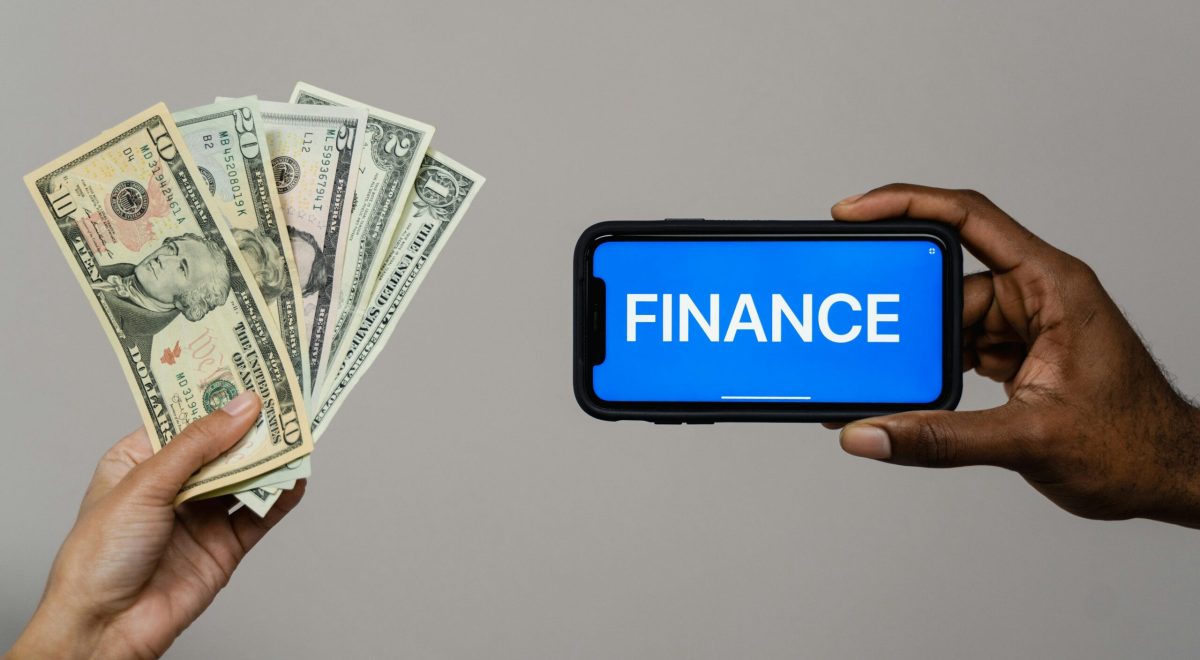
Creating a sustainable lifestyle through good personal finance is important for achieving your long-term financial goals and improving your financial security. Personal finance involves budgeting, saving, investing and managing/debt. With rapid changes occurring in society today, those wishing to achieve their lifestyle goals and prepare for the future must first have a working knowledge of their own financial situation.
The term ‘personal finance’ refers to all of the financial transactions and decisions that an individual makes. Income from employment, expenditures, savings for emergencies, investment dollars and retirement planning all fall into the category of personal finance. In other words, effective management of your personal finances has a major impact upon the level of stress you have in your daily life and the quality of your life.
five Categories of Personal Finance:
- Budget – Create a plan of where you want to spend, invest and/or save your money.
- Savings – Maintain a separate savings account for future emergencies that might arise.
- Investments (to invest) – Put your money to work for you, allowing it to increase your net worth (wealth).
- Debt management – Take control of debt (loans) and credit.
- Insurance – Protect (provide insurance against loss) your income and assets with appropriate insurance.
Budgeting is one of the most important aspects of achieving financial success. A budget helps individuals keep track of their income and expenses so they do not spend more than they can afford. Creating a monthly budget enables people to see what expenses are not necessary and enables them to focus on achieving their main financial goals.
A good budgeting method is called the 50/30/20 rule. This means that:
50% of your budget should be used for basic needs such as food, rent and transportation.
30% should be used on wants and entertainment.
20% should be put into savings or used to pay off any debt.
Using a budget helps create discipline within your life and helps develop healthy financial habits.
Have an Emergency Fund
There are times when unexpected things happen; illness, a job loss or an accident can cause financial difficulties. Having an emergency fund is a way to protect yourself during those types of events. Most financial professionals recommend having three to six months of living expenses saved in case of emergencies.
Saving
regularly, no matter how small the regular saving may be will have a positive impact on your life over time. Having savings will decrease your financial stress and will give you increased confidence during emergencies.
Investing
Investing is a way to help your money grow over time. Some common investment options include stocks, bonds, mutual funds and real estate. Investing does involve risk but gives you the potential for long-term financial gain.
Investors who start investing at an early age will typically benefit from compound growth, which means that the dollars you earn on investments (interest and/or capital gains) will also earn dollars in interest or capital gain. To be an investor that is successful you need to have patience, do your research and have a good plan.
A Wise Use of Debt
Debt can be used positively if it is managed carefully. Excessive debt can cause difficulty in finances. Credit card use, loan borrowing, and credits should be made with careful attention so that unwieldly amounts of interest do not pile up.
Proper management of debt management includes:
Timely payment of your bills
Limiting your need to borrow money to only what is absolutely necessary
Paying the most expensive debt first
Maintaining a solid credit history
Responsible borrowing insures your financial health and provides you with a better chance of building wealth for the future.
Goals and Planning for Your Finances
When setting financial goals, the individual stays focused and motivated towards achieving them. Goals may include purchasing your own home; starting your own business; paying for your education; and/or assuring that you can be financially secure during retirement.
In order to effectively plan for finances, you should:
Create a plan by outlining your clear & realistic goals
Develop your savings strategy
Track your goals
Change your plan as necessary
Long-term goals also get an individual closer to gaining financial independence and security.
Conclusion
Personal finance is a life skill and is part of the way we live each and every day. Developing good financial behaviors by budgeting, saving, investing and managing debt responsibly will protect your financial future, while providing peace of mind. Individuals who develop solid financial skills are typically more prepared for both emergencies and future opportunities. By making good financial choices today, you can develop security and success for you and your family.